
Bali is home to countless temples, but few are as iconic as the Gates of Heaven Bali. Officially located within Lempuyang Temple (Pura Luhur Lempuyang), this sacred site has become one of the island’s most photographed landmarks. The famous split gate, perfectly framing the majestic Mount Agung, attracts travellers from around the world looking to experience both Bali’s natural beauty and spiritual heritage.
Whether you’re planning your first trip to East Bali or adding another destination to your itinerary, this guide covers everything you need to know before visiting the Gates of Heaven Bali, including how to get there, the best time to visit, entrance fees, local etiquette, and nearby attractions.
What Are the Gates of Heaven Bali?
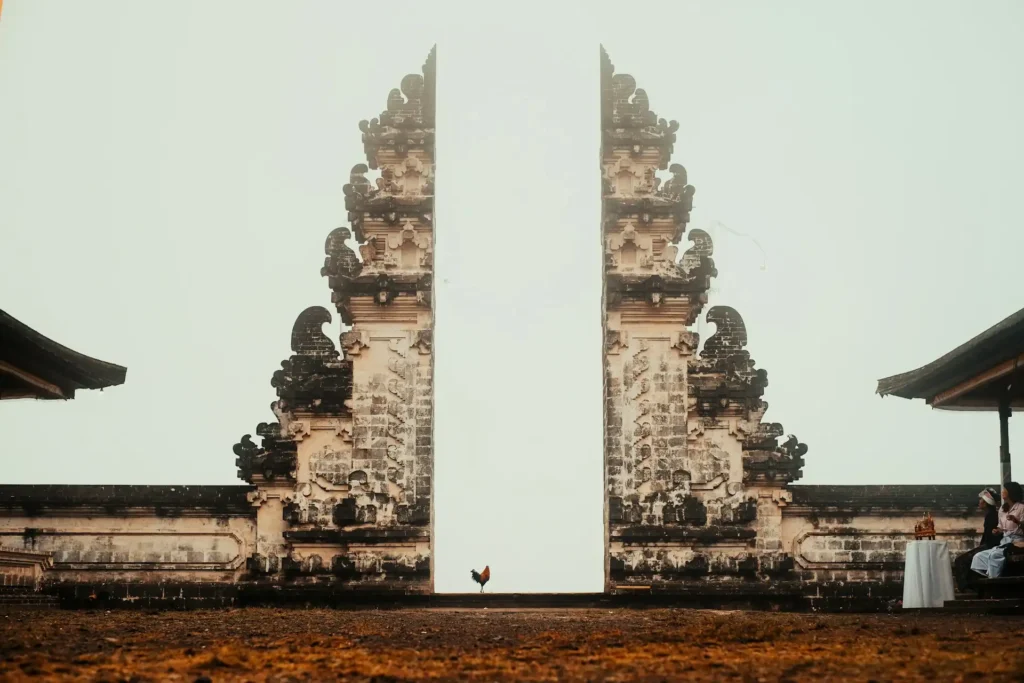
The Gates of Heaven Bali refers to the iconic split gate at Lempuyang Temple, one of Bali’s oldest and most revered Hindu temples. Located in Karangasem Regency, the temple sits on the slopes of Mount Lempuyang, offering spectacular views of Mount Agung, Bali’s highest volcano.
For the Balinese Hindu community, Lempuyang Temple is an important place of worship rather than simply a tourist destination. Visitors are welcome, but respecting the temple’s customs and traditions is essential throughout the visit.
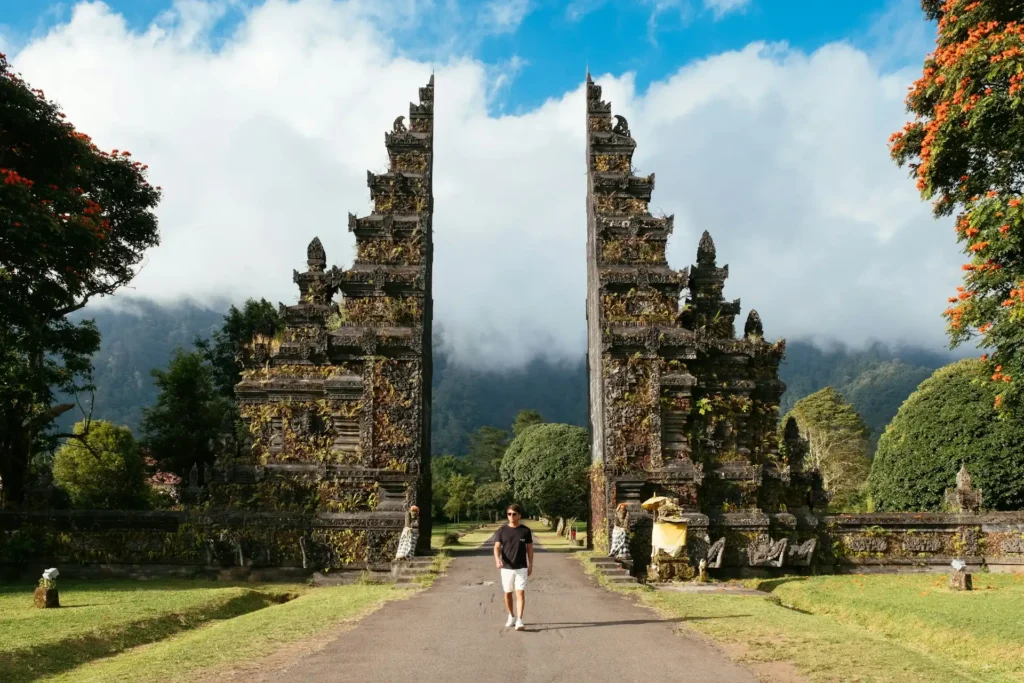
The famous nickname “Gates of Heaven” comes from the breathtaking perspective created by the temple gate, where Mount Agung appears perfectly framed between the two towering stone pillars.
Where Is It Located?
The Gates of Heaven are located in East Bali, approximately:
1. Around 3 hours from Seminyak, Canggu, or Kuta
2. Around 2 hours from Ubud
3. Around 1.5 hours from Amed and Candidasa
The journey takes visitors through scenic countryside, traditional villages, rice terraces, and mountain roads, making the drive part of the overall experience.
How to Get to There
There are several transportation options depending on your travel style and budget.
1. Hire a Private Car: Hiring a private driver is one of the most convenient ways to explore East Bali. It allows flexibility to visit multiple attractions without worrying about navigation or parking.
2. Rent a Scooter: Experienced riders may choose to rent a scooter, although the roads leading to Lempuyang Temple include steep climbs and winding mountain routes that may not be suitable for beginners.
3. Join a Guided Tour: Many visitors choose guided tours that combine the Gates of Heaven with other famous East Bali destinations, making it easier to maximise the day while learning more about the area’s history and culture.
Best Time to Visit the Gates of Heaven Bali
Since the Gates of Heaven Bali is one of the island’s most popular attractions, planning your visit carefully can help you enjoy a smoother and more memorable experience. Consider these tips when deciding when to go:
1. Arrive early in the morning. Visiting before 8:00 AM gives you the best chance of enjoying cooler temperatures, softer natural lighting for photos, and unobstructed views of Mount Agung before clouds begin to form later in the day.
2. Visit during the dry season. Bali’s dry season, which typically runs from April to October, generally offers clearer skies and more predictable weather, making it ideal for sightseeing and photography.
3. Choose a weekday. Weekdays are usually less crowded than weekends and public holidays, helping reduce waiting times for the famous Gates of Heaven photo and allowing for a more relaxed visit.
By choosing the right time to visit, you’ll not only have a better chance of capturing stunning photos but also enjoy a more comfortable experience at one of Bali’s most iconic temples.
Source: Unsplash
Entrance Fee and Dress Code
Visitors should expect to pay an entrance fee, which generally ranges between IDR 55,000 and IDR 75,000 per person, although prices may change over time.
Since Lempuyang is an active temple, proper attire is required:
Wear clothing that covers the shoulders and knees.
A sarong and sash are mandatory for entering the temple grounds.
Remain respectful during religious ceremonies and avoid entering restricted sacred areas.
Following these guidelines helps preserve the temple’s cultural and spiritual significance.
Why Is the Reflection Photo So Famous?
One of the biggest surprises for first-time visitors is discovering that the famous reflection beneath the gate is not created by a real lake.
Instead, local photographers place a small mirror beneath the camera lens to produce the illusion of water reflecting the temple gate. This simple photography technique has become part of the visitor experience and helps create the iconic image shared across social media.
Knowing this beforehand helps set realistic expectations while still allowing you to enjoy the creative photo opportunity.
Things to Do at the Gates of Heaven Bali
Although the famous gate receives most of the attention, there is much more to explore.
Take the Iconic Photo
The split gate remains the highlight of every visit, especially when Mount Agung is clearly visible in the background.
Explore Lempuyang Temple
Lempuyang Temple is actually a complex consisting of several temples spread across the mountainside. Visitors with more time can continue hiking to the upper temples while enjoying panoramic views over East Bali.
Experience Balinese Culture
Watching locals bring offerings, observing temple ceremonies from a respectful distance, and learning about Balinese Hindu traditions provide a deeper appreciation of the destination beyond photography.
Source: Unsplash
Nearby Attractions Worth Visiting
A day trip to the Gates of Heaven Bali pairs perfectly with several nearby attractions.
Tirta Gangga Water Palace
Built in 1946 by the last King of Karangasem, Tirta Gangga Water Palace is a former royal retreat known for its elegant blend of Balinese and European architecture. The complex features tiered fountains, ornamental ponds filled with colourful koi fish, stone pathways that appear to float on the water, and beautifully maintained tropical gardens.
Beyond its scenic beauty, Tirta Gangga also holds cultural significance, as the spring water is considered sacred and is still used by local communities for religious ceremonies. It’s an ideal place to enjoy a relaxing stroll after visiting Lempuyang Temple.
Ujung Water Palace
Located just a short drive from Tirta Gangga, Ujung Water Palace, also known as Taman Sukasada Ujung, was built by the King of Karangasem in the early 20th century as a royal residence and venue for important guests.
The palace showcases a unique combination of Balinese, Dutch, and European architectural styles, reflecting Bali’s historical connections with international influences. Surrounded by expansive gardens, ponds, bridges, and open courtyards, the palace offers picturesque views of both the coastline and the surrounding hills, making it one of East Bali’s most photogenic heritage sites.
Virgin Beach
Often referred to as Virgin Beach or Pasir Putih Beach, this secluded stretch of coastline remains one of East Bali’s hidden gems. Unlike many of Bali’s busier beaches, Virgin Beach offers a quieter atmosphere where visitors can relax on soft white sand, swim in clear turquoise waters, or enjoy fresh seafood served at local beachfront warungs.
The peaceful setting makes it an excellent destination for unwinding after exploring temples and historical sites, while the surrounding cliffs and coconut trees create a naturally scenic backdrop.
Sidemen Valley
For travellers seeking a more authentic side of Bali, Sidemen Valley offers breathtaking landscapes of terraced rice fields, rolling hills, and traditional farming villages. Long before tourism flourished in other parts of the island, Sidemen was known for its agricultural heritage and skilled local artisans, particularly in traditional songket weaving.
Today, the valley remains relatively untouched, providing opportunities for scenic walks, cycling, cultural experiences, and quiet retreats surrounded by nature. Its tranquil atmosphere offers a refreshing contrast to Bali’s more popular tourist destinations and allows visitors to experience the island’s rural charm.
Helpful Tips Before You Visit
To make your visit more enjoyable, it’s worth planning ahead. Starting your journey early in the morning can help you avoid the longest queues while giving you a better chance of clear views of Mount Agung. Since not all vendors and ticket counters accept card payments, bringing enough cash for entrance fees, small donations, refreshments, or parking is recommended.
The tropical climate in East Bali can be quite warm, so staying hydrated throughout the day is important, especially if you’re exploring more of the temple complex. If you’re hoping to capture the famous Gates of Heaven photo, be prepared to wait patiently, as queues can sometimes last several hours during peak periods.
Most importantly, remember that Lempuyang Temple is an active place of worship. Dressing modestly, keeping noise to a minimum, and respecting local customs will help preserve the temple’s sacred atmosphere while ensuring a meaningful experience for both visitors and the local community.
Final Thoughts
The Gates of Heaven offer far more than an Instagram-worthy photograph. Lempuyang Temple represents centuries of Balinese spiritual tradition while showcasing some of the island’s most spectacular mountain scenery. From learning about local culture to exploring East Bali’s natural beauty, a visit here becomes one of the highlights of many Bali itineraries.
To make your East Bali adventure even more comfortable, consider booking a private driver with our best rent in bali. With reliable transportation, flexible itineraries, and experienced local drivers, you can easily visit the Gates of Heaven, Tirta Gangga, Ujung Water Palace, and other nearby attractions in a single, stress-free day.